Practical lawn-to-garden guide
How to turn a lawn into a garden—without doing it all at once
The safest transition is usually not “remove every blade of grass this weekend.” It is a series of small, deliberate changes that fit your land, budget, time, and local rules.
Best first move
Observe, then start one small phase
Useful timeline
Plan in seasons, not in one weekend
Main principle
Make each phase look intentional
The simple version
A lawn-to-garden conversion replaces a single-purpose surface with a living system. That system might be a drought-tolerant landscape, a native habitat garden, an edible garden, or a mixture of all three. The right version is the one you can maintain and enjoy.
The work becomes easier when you separate it into three jobs: understand the site, build one sound phase, and learn before expanding.
Step by step
Seven low-regret steps
- 01
Decide what “better” means for your yard
Write down your top two goals before choosing plants. You might want lower water use, less mowing, more food, better habitat, or a front yard that stays tidy for an HOA. Clear goals prevent expensive impulse purchases.
- 02
Read the site before you redesign it
Watch where the sun falls, where rainwater moves, which areas stay damp, and how people already walk through the yard. A good garden works with those patterns. You do not need expert measurements to begin; a few days of observation will already reveal a lot.
- 03
Check rules and rebates before removing grass
Look at local watering rules, utility rebates, HOA requirements, and underground utility locations before work starts. Some rebate programs require an application or a “before” photo. Confirm the current rules with the responsible local agency.
- 04
Choose one small first phase
Start with a visible but manageable patch: one corner, one bed, or a strip beside the walkway. A small phase lets you learn your soil and maintenance rhythm without turning the whole yard into a construction site.
- 05
Remove or cover the lawn
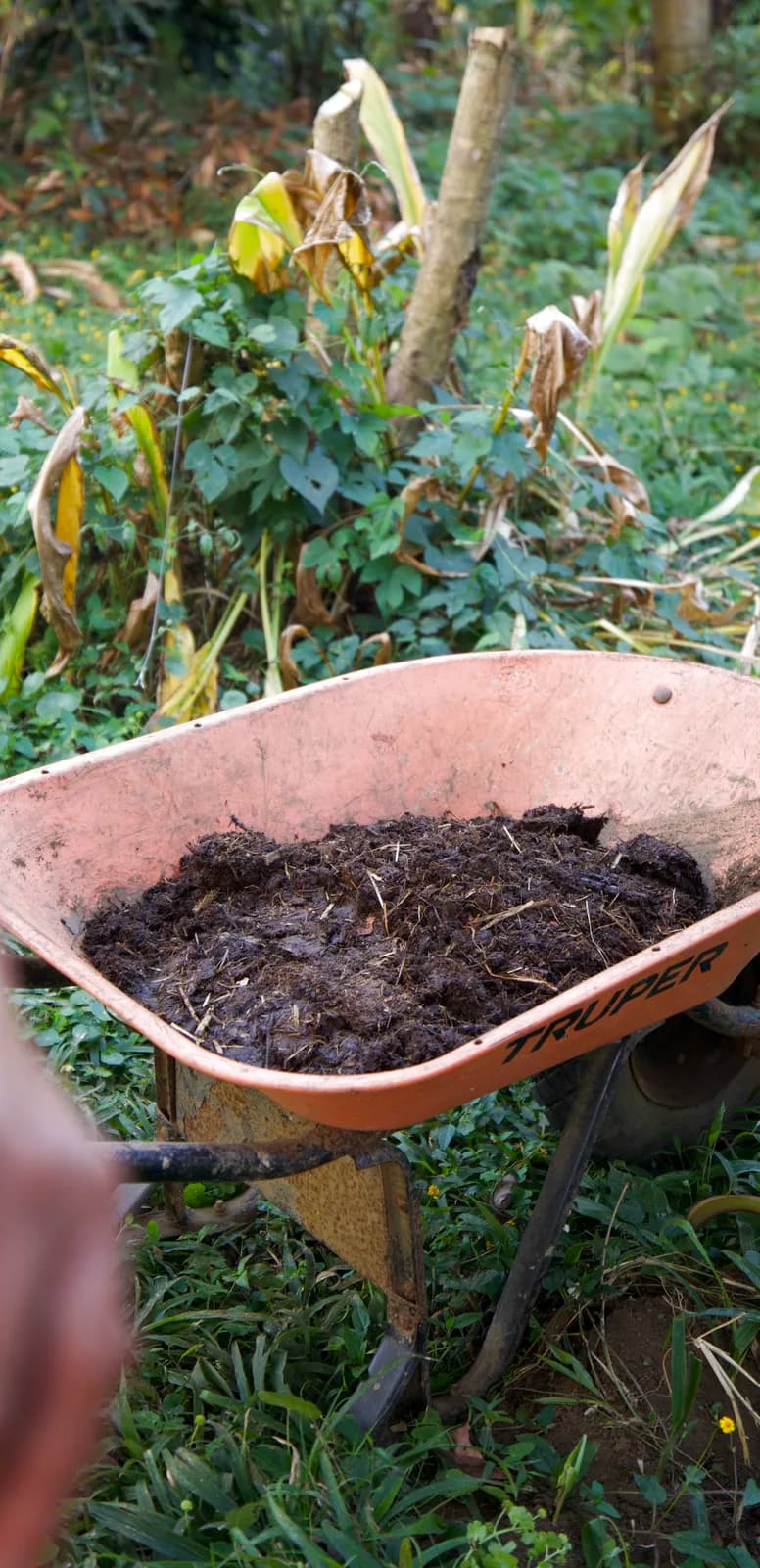
For many yards, sheet mulching is a low-disturbance option: mow short, overlap plain cardboard, wet it, then cover it with compost and mulch. Other sites may need sod cutting or a different method. Keep mulch and soil away from trunks, siding, and drainage openings.
- 06
Plant the structure first
Begin with the plants and paths that define the garden: shade trees where appropriate, durable shrubs, clear edges, and access for watering and harvest. Fill smaller gaps after the structure is working. Favor plants suited to your climate, sun, soil, and available water.
- 07
Establish, learn, and expand
New plants usually need more attention while their roots establish. Check moisture instead of watering by habit, replace failures without shame, and keep notes. Expand only when the first phase feels understandable. A good lawn-to-garden transition is a sequence, not a reveal.
What usually goes wrong
- Buying plants before making a plan. The garden becomes a collection of guesses.
- Removing too much lawn at once. Bare ground creates urgency, mess, and avoidable expense.
- Ignoring access and edges. Paths and clear borders make the transition usable and visibly cared for.
- Treating plant loss as failure. Every yard has surprises. Replace, adjust, and keep the lesson.
What to decide first
- How much time can you reliably give the yard each week?
- Which area has the clearest sun and water pattern?
- Does the first phase need to satisfy an HOA or landlord?
- Which work will you do yourself, trade, or hire out?
- What would make the first phase feel successful in 90 days?
Pantree
Your yard is local. Your help should be too.
Pantree combines phased garden planning with the people, plants, tools, and knowledge already present in your watershed.